

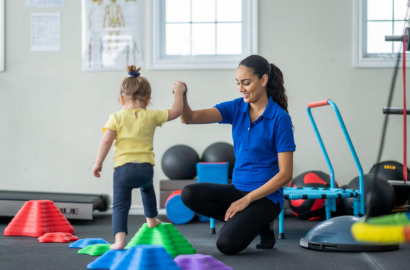
Paediatric occupational therapy helps children achieve independence and engage in meaningful activities by addressing developmental delays and challenges in various areas, including fine motor skills, gross motor skills, cognitive skills, and social-emotional development. It focuses on improving a child's ability to participate in everyday life, whether at home, school, or in the community.
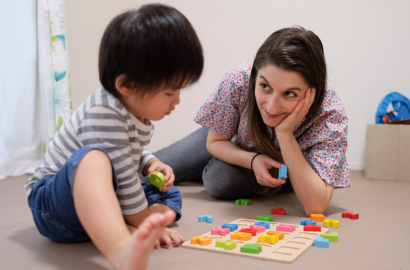
Early intervention refers to a range of services and supports provided to young children (typically from birth to age 3) who have developmental delays or disabilities, and their families. These services aim to help children reach their developmental milestones, improve their well-being, and promote their participation in family and community life
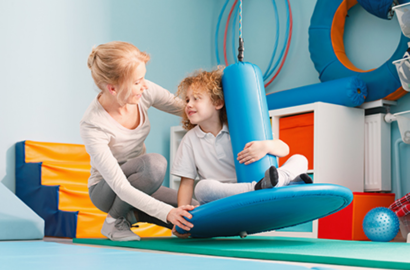
Sensory integration therapy (SIT) is a treatment approach used by occupational therapists to help individuals, especially children, improve their ability to process and organize sensory information from their bodies and the environment. It helps individuals adapt to daily life by addressing sensory processing challenges, which can affect emotional regulation, learning, behavior, and participation
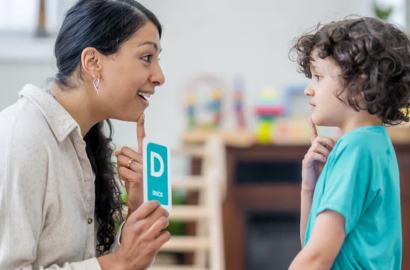
Communication training is a treatment approach that helps kids to improve their ability to communicate.It focuses on both receptive language (understanding what others say) and expressive language (being able to communicate one's thoughts and needs
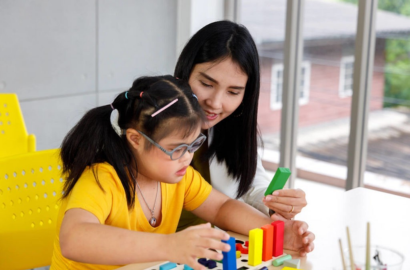
Special education provides individualized programs and support for students with disabilities to help them learn and achieve their potential. It involves adapted teaching methods, equipment, and environments to cater to their unique needs. The goal is to ensure students with disabilities receive effective education and have the opportunity to succeed

Oral Placement Therapy (OPT) is a multisensory approach to speech therapy that uses auditory, visual, and tactile stimulation to improve speech clarity and oral motor skills. It's particularly helpful for individuals with placement and movement difficulties in speech production. OPT complements traditional speech therapy by incorporating tactile feedback, which can be beneficial for individuals with motor or sensory impairments.
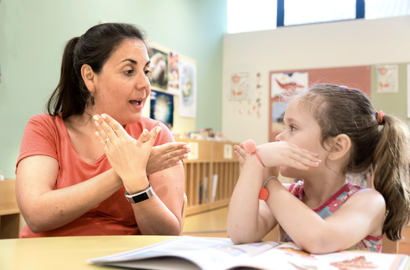
Behavior modification is a technique used to change unwanted behaviors, often by reinforcing desired behaviors while diminishing undesirable ones. It focuses on observable actions and their consequences, rather than underlying thoughts or feelings, and is based on principles of learning and conditioning

Activities of daily living (ADLs) in kids refer to the essential self-care tasks that they perform regularly, such as eating, dressing, bathing, and toileting. These activities are crucial for developing independence and self-sufficiency.

Dietary supplements are products intended to add nutrients to the diet, supplementing it with vitamins, minerals, herbs, or other ingredients. They are not meant to replace a healthy, balanced diet, but rather to complement it by providing specific nutrients or addressing deficiencies. Common examples include vitamin C, iron, calcium, fish oil, and probiotics